InternationalShipandPortFacilitySecurity in Belapur East, Thane, Booking Marine Courses

for the Safety of Life at Sea, 1974, the most far-reaching of which enshrined the new International Ship and Port Facility Security (ISPS) Code. The Conference also adopted a series of resolutions designed to add weight to the amendments, encourage the application of the measures to ships and port facilities not covered by the ISPS Code
International Ship & Port Facility Security Training Course
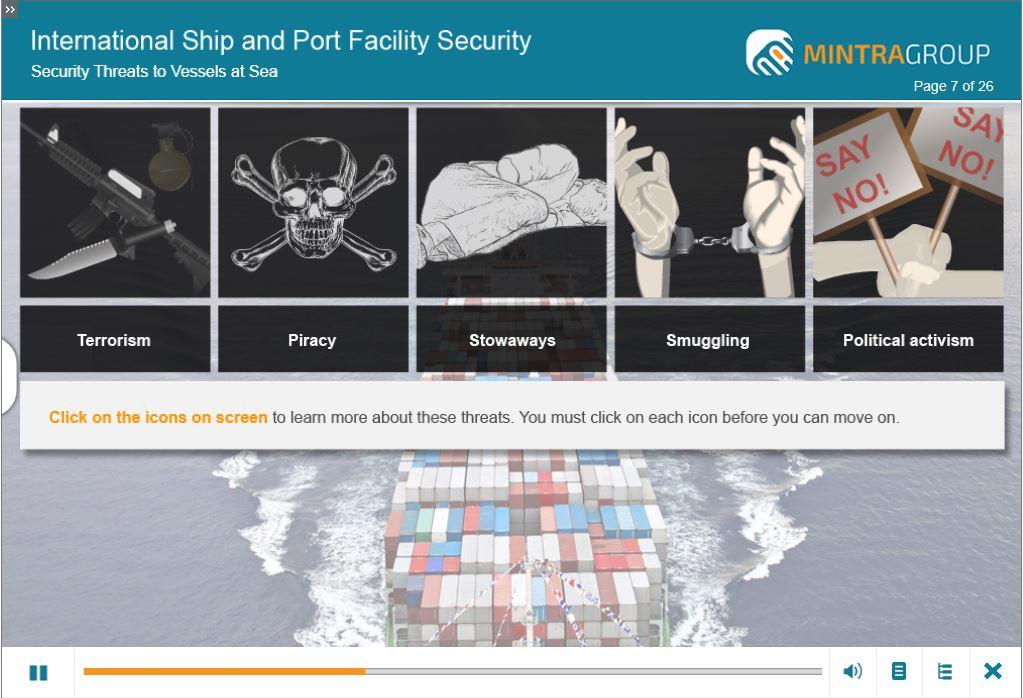
International Ship and Port Facility Security Code Entered in force on 1st July 2004 (SOLAS Chap. XI-2), the ISPS Code is a comprehensive set of measures to enhance the security of ships and port facilities. Its objectives are to determine which security measures are appropriate and to provide a standardized, consistent framework for evaluating.
International Ship and Port Facility Security Code

Adopted under the International Convention for the Safety of Life at Sea (SOLAS) 1974, as amended, through chapter XI-2 on Special Measures to enhance maritime security, the International Ship and Port Facility Security (ISPS) Code, which is a mandatory instrument for all countries Party to the Convention, is the IMO's main legislative.
TRAINING ISPS (INTERNATIONAL SHIP AND PORT SECURITY) CODE

* The complete name of this Code is the International Code for the Security of Ships and of Port Facilities. The abbreviated name of this Code, as referred to in regulation XI-2/1 of SOLAS 74 as amended, is the International Ship and Port Facility Security (ISPS) Code or, in short, the ISPS Code.
A Primer on Maritime Security Perception or Reality?
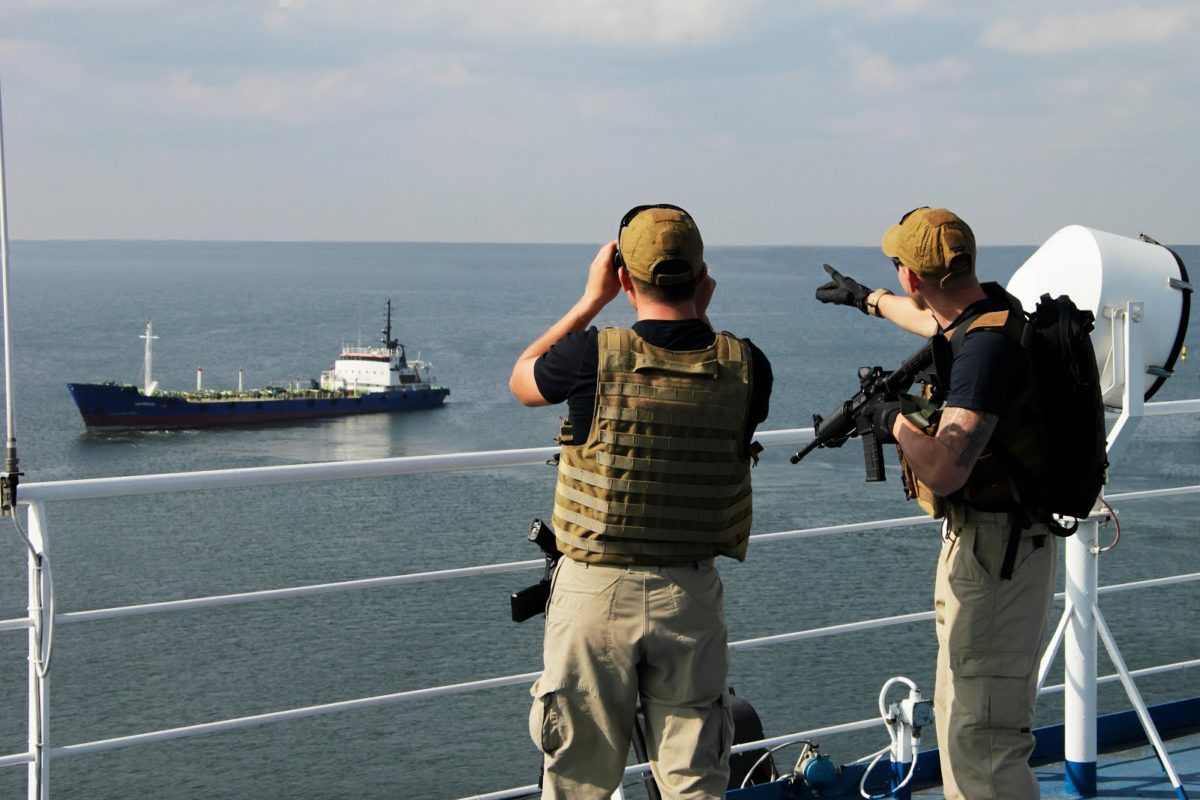
The ISPS Code has also helped to facilitate international trade by ensuring that ships and port facilities meet a consistent set of security standards.Overview of the ISPS Code requirements for ships and port facilitiesThe ISPS Code requirements for ships and port facilities are structured around two levels of security: Level 1 and Level 2.
The Port Facility Security Officer Training Vistech Training Middlesbrough

These training providers conduct training for Company Security Officers (CSOs), Ship Security Officers (SSOs) and Port Facility Security Officers (PFSOs) according to the requirements of the ISPS Code and IMO model. You can purchase copies of the IMO model courses at the binnacle.com. ISPS compliant port facilities
Port Facility Security Officer (PFSO) International Maritime Training LTD

The International Ship and Port Facility Security (ISPS) code is Chapter XI-2 of the International Convention of the Safety of Life at Sea, 1974. Australia is a signatory to this Convention and we fulfil this international obligation through the Maritime Transport and Offshore Facilities Security Act 2003 (MTOFSA) and the accompanying.
International ship and port facility security code Ganado Advocates

THE INTERNATIONAL SHIP AND PORT FACILITY SECURITY AND PORT FACILITY SECURITY ASSESSMENT (ISPS) CODE Dr. Jaime Rodrigo de Larrucea Maritime Law Professor (UPC) 1.- INTRODUCTION A new regime of security for international the maritime transport will take effect as of July 2004 following its adoption by the Diplomatic
Презентация на тему " Slide 1 Maritime Security Executive Summary, 27. Feb. 03 International
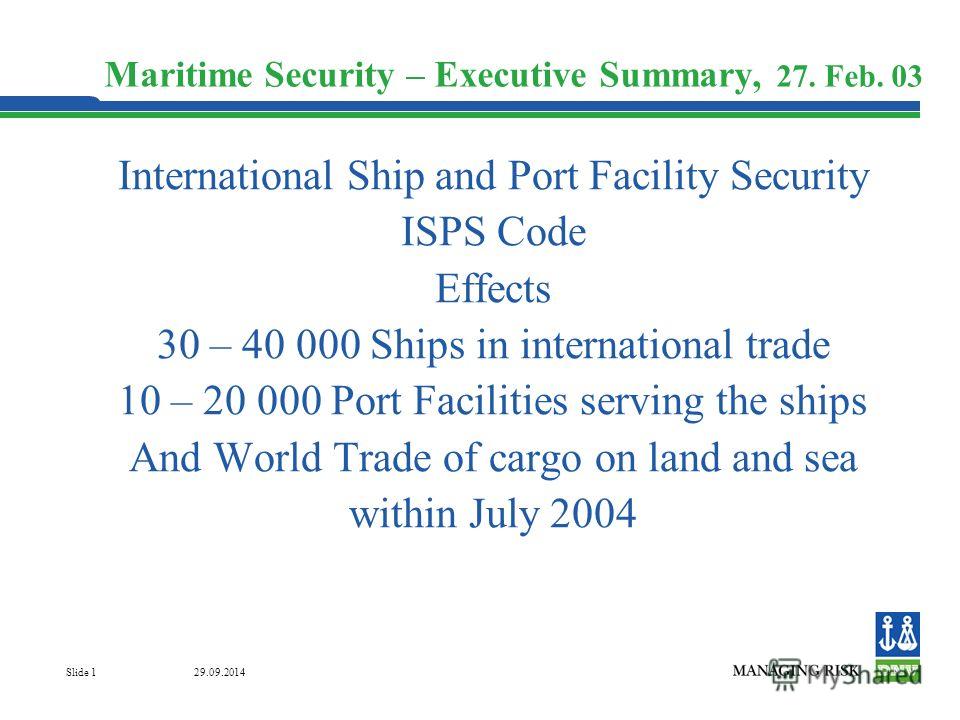
The International Ship and Port Facility Security Code (ISPS Code) is a comprehensive set of measures to enhance the security of ships and port facilities, developed in response to the perceived threats to ships and port facilities in the wake of the 9/11 attacks in the United States. The ISPS Code is implemented through chapter XI-2 Special.
Security Measures for Vessels, Docks and Facilities Advanced Safety & Training

The International Ship and Port Facility (ISPS) Code. Having entered into force under SOLAS chapter XI-2, on 1 July 2004, the International Ship and Port Facility Security Code (ISPS Code) has since formed the basis for a comprehensive mandatory security regime for international shipping. The Code is divided into two sections, Part A and Part B.
ISPS The International Ship and Port Facility Security Code Officer of the Watch

PFSO. Duration: 3 days. This module provides the participants with comprehensive knowledge to enable them to take on the duties and responsibilities as defined in the International Ship and Port Facility Security (ISPS) Code. Practical case studies are used to illustrate possible measures to comply with the maritime security requirements.
What is ISPS? International Ship and Port Facility Security Code Web Stories Latest Web

1.1Introduction. This part of the International Code for the Security of Ships and of Port Facilities contains mandatory provisions to which reference is made in chapter XI-2 of the International Convention for the Safety of Life at Sea, 1974, as amended. 1.2Objectives. The objectives of this Code are:
Port / Marine Facility Security Officer (PFSO) Online Course Coming Soon Virtual Maritime
International Ship and Port Facility Security (ISPS) Code . The IMO's International Convention for the Safety of Life at Sea (SOLAS) 1974, as amended, includes provisions adopted to address maritime security matters.Within SOLAS's chapter XI-2 on Special Measures to enhance maritime security is the International Ship and Port Facility Security (ISPS) Code, which is a mandatory instrument for.
Lloyd’s Maritime Institute Port Facility Security Officer (PFSO)
.png)
The International Ship and Port Facility Security (ISPS) Code is an amendment to the Safety of Life at Sea (SOLAS) Convention (1974/1988) on Maritime security including minimum security arrangements for ships, ports and government agencies. Having come into force in 2004, it prescribes responsibilities to governments, shipping companies.
The International Ship and Port Facility Security Code Safety Transport

The International Ship and Port Facility Security (ISPS) Code serves some key goals, including, but not limited to: Establish an international skeleton that promotes cooperation among obligated governments, their agencies, local authorities, and the shipping ports. Identification of potential security threats to ships or port facilities used.
International Ship & Port Facility Security Training Course
The International Ship and Port Facility Security (ISPS) Code came into force on July 1, 2004 and is applicable to all vessels over 500 grt operating on international trades, as well as the ports that service them. We have played a proactive role in helping the industry to implement the ISPS Code and offers a full range of statutory.