7,998 Arrowroot Images, Stock Photos & Vectors Shutterstock

Arrowroot starch comes from the Maranta arundinacea plant, which is considered an herb, while tapioca is obtained from the cassava root. They are both gluten-free, so they are popular thickeners for those with gluten sensitivities. While both arrowroot and tapioca are used to thicken sauces, soups and such, they are just different enough to.
What is tapioca and how can I use it? Features Jamie Oliver

But good news - arrowroot powder is a great thickener and can easily replace cornstarch. Even better, arrowroot powder has no taste and leaves food glossy and clear, whereas cornstarch has a slight taste and leaves food cloudy and opaque. 3. Arrowroot powder can also be used in baking, roasting and frying.
Anthony's Arrowroot Powder (Flour), Certified GlutenFree Tapioca flour, Organic recipes

Tapioca has a mildly sweet flavor, adding a hint of sweetness. Arrowroot is known for its smooth texture when cooked. It creates a thick and glossy texture, great for sauces and puddings. Tapioca has a gelatinous texture when cooked, making it great for chewy desserts. Arrowroot withstands high temperatures.
Tapioca Flour The Best ‘Performing’ GlutenFree Flour? Dr. Axe
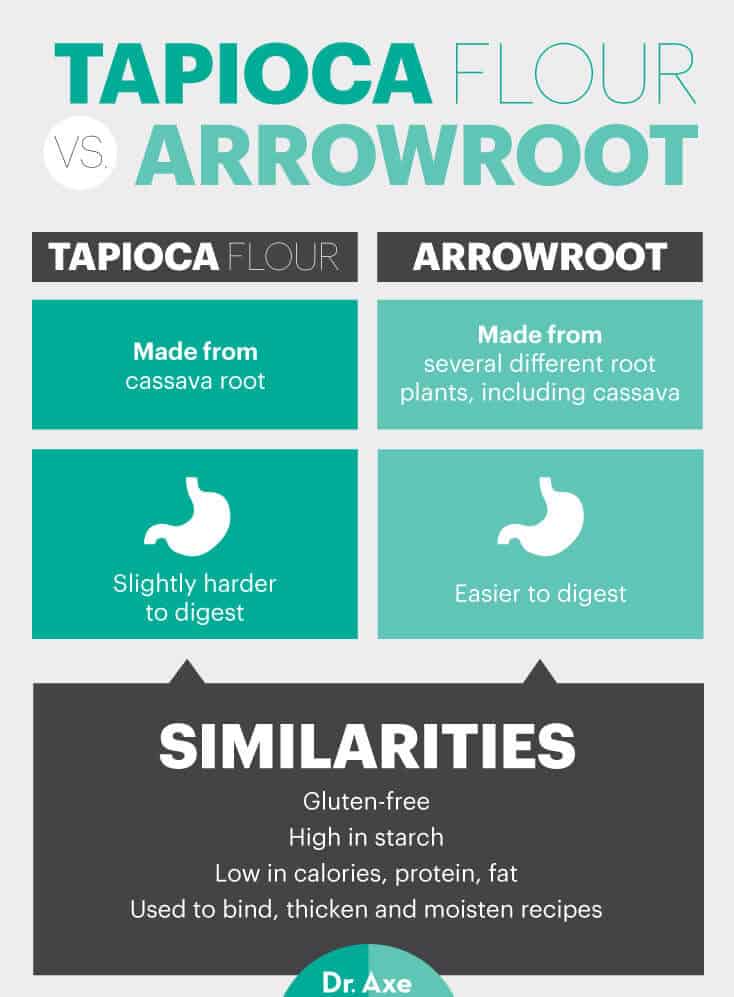
Choose arrowroot if you're thickening an acidic liquid. A root starch like tapioca or arrowroot would provide a clear, thick sauce for your berry pies. Potato starch has many of the same benefits as arrowroot. As its name implies, potato starch is refined from potatoes, often those culled from sorting and processing operations, but sometimes.
Arrowroot Vs. Tapioca Starch How Do They Compare?
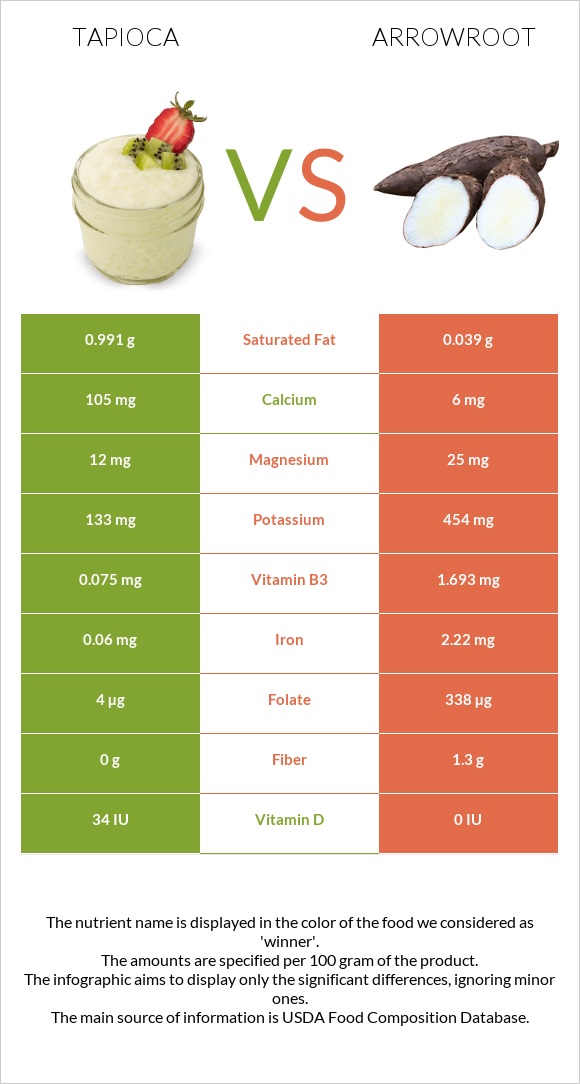
What are the main differences between Tapioca and Arrowroot? Tapioca is richer in Vitamin B12, and Calcium, while Arrowroot is higher in Folate, Iron, Vitamin B6, Copper, Vitamin B3, Potassium, Vitamin B1, and Manganese. Arrowroot's daily need coverage for Folate is 84% higher. We used Puddings, tapioca, dry mix, prepared with 2% milk and.
Tapioca Starch (Arrowroot Flour) 100g Broome Food Coop

Tapioca Flour Vs Arrowroot FlourUnderstanding the Differences: Tapioca Flour Vs Arrowroot FlourWhen it comes to gluten-free cooking and baking, tapioca flour and arrowroot flour are two common ingredients that often get confused with each other. While they may seem similar, there are distinct differences between these
Arrowroot powder vs Tapioca Flour What's the difference ? in 2023 Tapioca flour, Arrowroot

Tapioca flour/starch is more processed than cassava flour and the fiber has been removed, so you can NOT use them interchangeably. Gari on the other hand is the left-over fiber from making tapioca flour/starch and it therefore is all fiber and contains very very little starch. Noteworthy too, Gari is a fermented product, so the flavor is sour.
Mckenzie's Arrowroot Tapioca Flour 175g Woolworths

1 tablespoon plus 1 teaspoon cornstarch, arrowroot or tapioca starch; 2 1/4 teaspoons potato starch. For a thin sauce, the wheat flour drops to 1 tablespoon and for thick, it increases to 3.
Arrowroot Powder vs Tapioca Flour What’s the difference?

Take the example of arrowroot. While you may encounter arrowroots sold as vegetables, arrowroot starch is its most-common commercial form, also called arrowroot flour or powder. But the shocking.
Out of Arrowroot Powder? 7 Arrowroot Powder Substitutes Will Save Your Recipe! » Joyful Dumplings
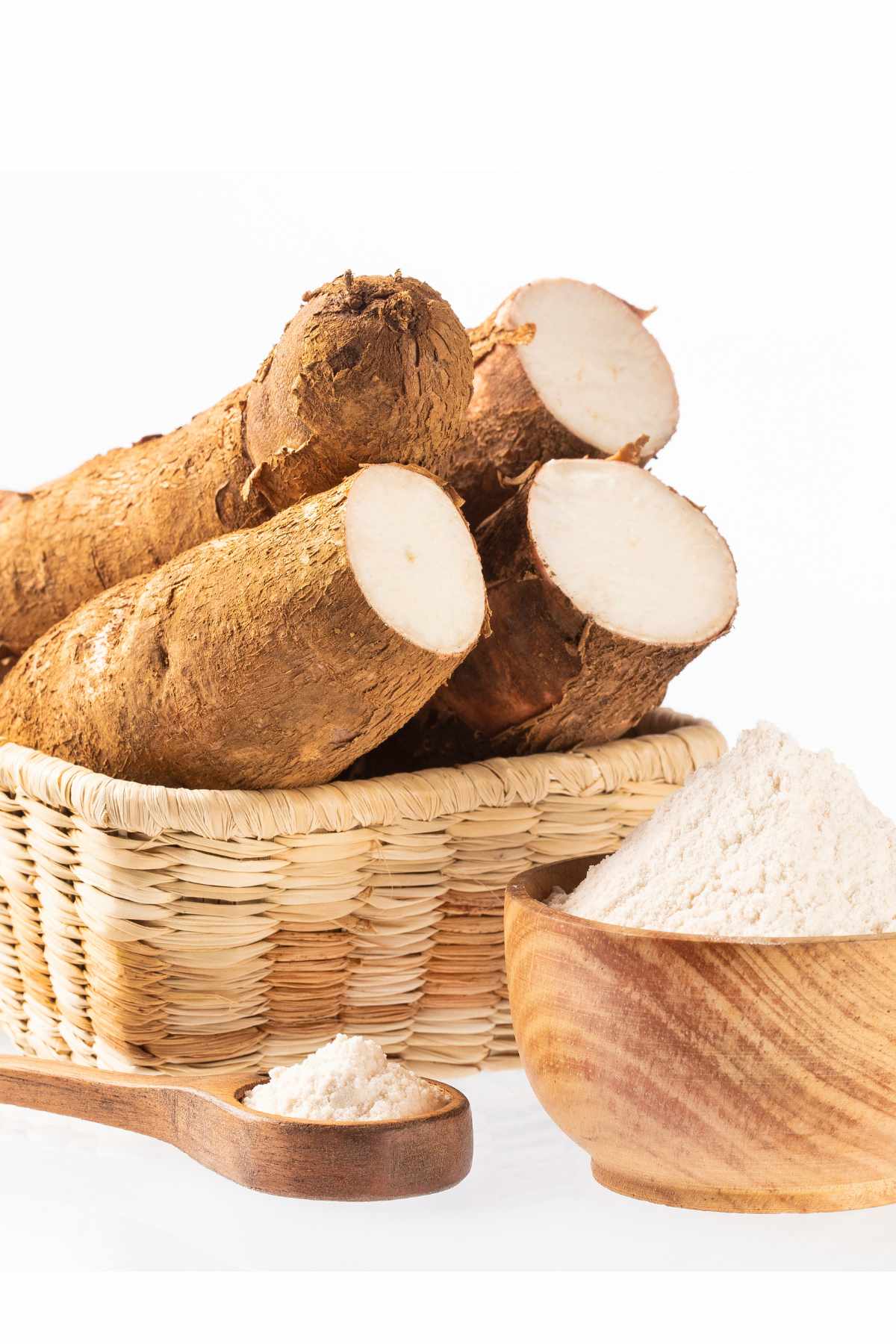
Fortunately, arrowroot flour is a great alternative to tapioca. Arrowroot is native to the Amazon rainforest, and is a great thickening agent to use in gluten-free recipes such as puddings, sauces, and baked goods. Arrowroot was domesticated only 7,000 years ago—another newbie dietary addition for humans. (5) However, it's low on the.
ARROWROOT Pocket Fresh Singapore

It should also be noted that arrowroot is not as good for binding purposes as tapioca starch, which means you should use it only with other flours that are better for binding. Another key difference between these starches is how they hold up under extended exposure to heat. Tapioca starch is better for long cooking times than arrowroot.
Manihot Esculenta Cassava, Yuca, Manioc, Mandioca, Brazilian Arrowroot and Tapioca on Wooden
Tapioca flour is often used in baking recipes that require a chewy texture, while arrowroot flour is often used in recipes that require a light and airy texture. In addition to their use in baking, tapioca and arrowroot flours also have other culinary applications. Tapioca flour is commonly used as a thickener in soups, stews, and sauces, while.
Tapioca vs. Arrowroot Recepten, Paleo recepten, Kooktips

Tapioca Flour And Arrowroot Starch: Their Different Use Cases In Various Scenarios. 1. Tapioca flour can be used to thicken soups, sauces, and gravies. 2. Arrowroot starch can be used to make gluten-free baked goods and as a thickener for pie fillings and puddings. 3. Both tapioca flour and arrowroot starch can be used in paleo and gluten-free.
Is arrowroot and tapioca starch the same? YouTube

Arrowroot is a starch obtained from the rhizomes (rootstock) of several tropical plants, traditionally Maranta arundinacea, but also Florida arrowroot from Zamia integrifolia, and tapioca from cassava (Manihot esculenta), which is often labeled arrowroot.Polynesian arrowroot or pia (Tacca leontopetaloides), and Japanese arrowroot (Pueraria lobata), also called kudzu, are used in similar ways.
Tapioca vs. Arrowroot — InDepth Nutrition Comparison
Arrowroot and tapioca starches thicken at lower temperatures than cornstarch or wheat flour, allowing you to adjust a pudding or sauce at the last minute before serving the dish. While they are basically interchangeable, the proportions should be adjusted to ensure the success of your dish. In general, 1 tablespoon tapioca starch has the.
Arrowroot Health Benefits Uses
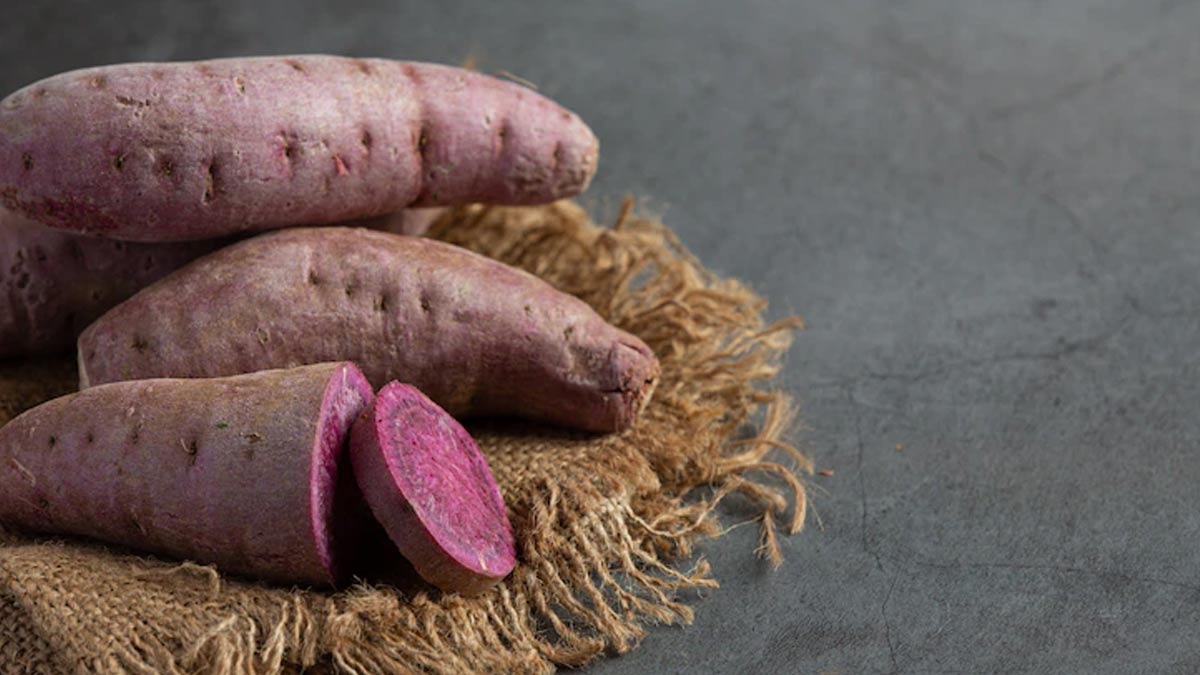
Arrowroot flour, on the other hand, is derived from the roots of a starchy root vegetable, scientifically known as Maranta arundinacea. Similar to tapioca starch, arrowroot starch is a gluten-free alternative flour that works well as a thickening agent. It can be used in the same way as tapioca starch in recipes like fruit pies, gravy, and sauces.