PPT Criminal Law PowerPoint Presentation, free download ID1536224
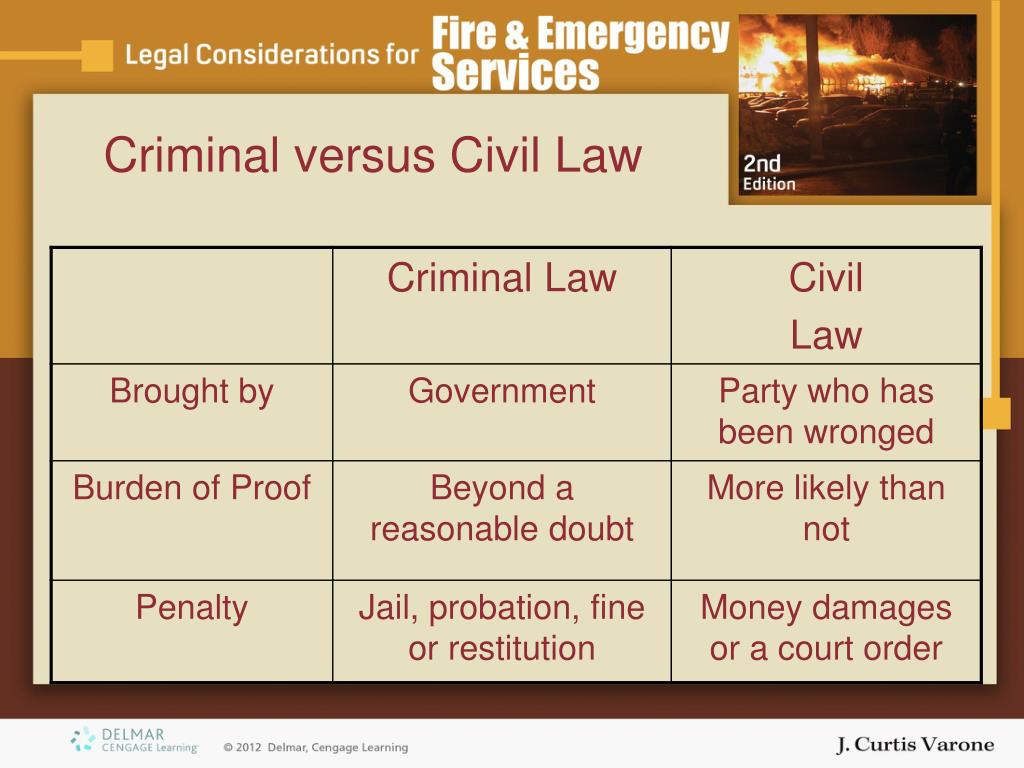
Criminal cases are prosecuted by the state or federal government. Criminal law is designed to protect the public and general society from offensive wrongdoings such as murder, drunk driving, battery, theft, or arson. Alternatively, civil cases arise when one party initiates a claim for damages against another party or parties.

Conclusion. Understanding the distinction between civil and criminal law is vital for law students in the UK and beyond. Civil law aims to resolve disputes and protect individual rights, while criminal law focuses on maintaining social order and seeking justice for offenses against the state. Despite the division, some cases may blur the lines.
Civil Law vs. Criminal Law What's The Difference (With Table)
Criminal law involves regulations enacted and enforced by government action, while civil law provides a remedy for individuals who need to enforce private rights against other individuals. Some examples of civil law are family law, wills and trusts, and contract law. If individuals need to resolve a civil dispute, this is called civil.
Practice Areas Law Office of John J. Polito, PLLC

1. Definitions. Criminal laws at the local, state and federal level define criminal activities and establish legal punishments for those convicted of crimes like arson, assault and theft. Criminal law cases are only conducted through the criminal court system. In contrast, civil laws deal with the private rights of individuals.
The Difference Between Civil And Criminal Law

Defendant - In a civil lawsuit, the defendant is the person or entity that's being sued. In a criminal proceeding, the defendant is the person charged with a crime. Civil lawsuit - A civil lawsuit is the entirety of a proceeding from the time the plaintiff files a legal document, called a complaint, against a defendant.
PPT Criminal Law and Cyber Crimes PowerPoint Presentation, free download ID1830785
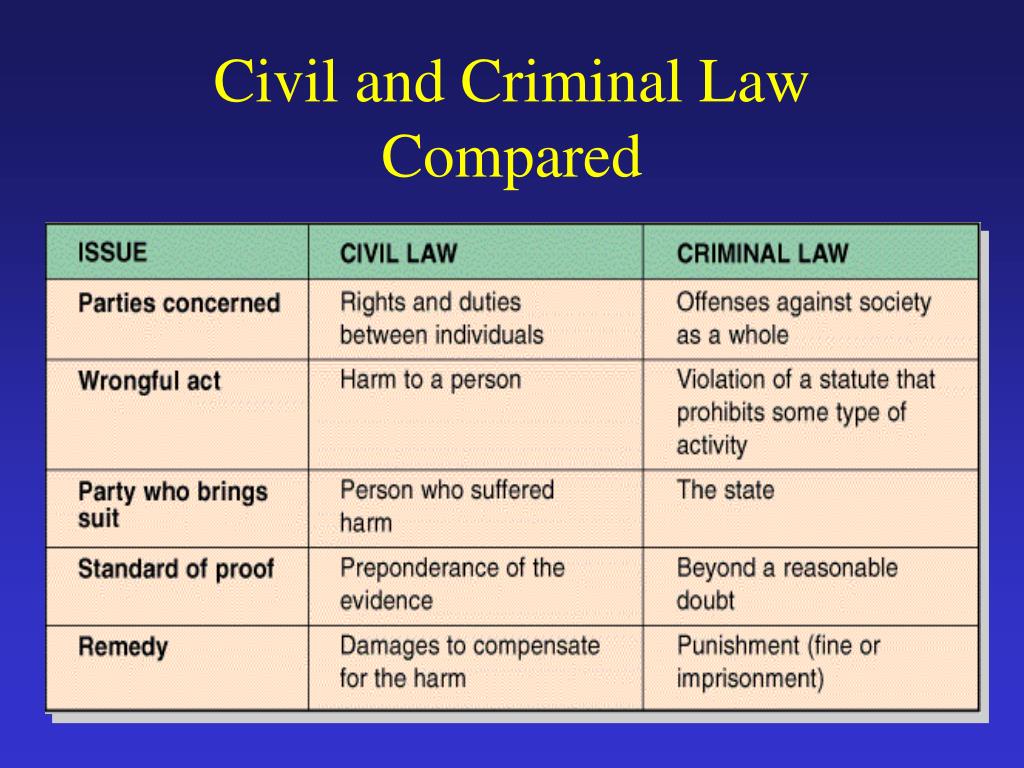
Parties Involved: In civil cases, the parties involved are typically private individuals or entities, such as corporations or government agencies. Standard of Proof: The standard of proof in civil cases is generally lower than in criminal cases. In civil cases, the plaintiff must prove their case by a preponderance of the evidence, meaning that.
PPT Criminalistics PowerPoint Presentation, free download ID1367121
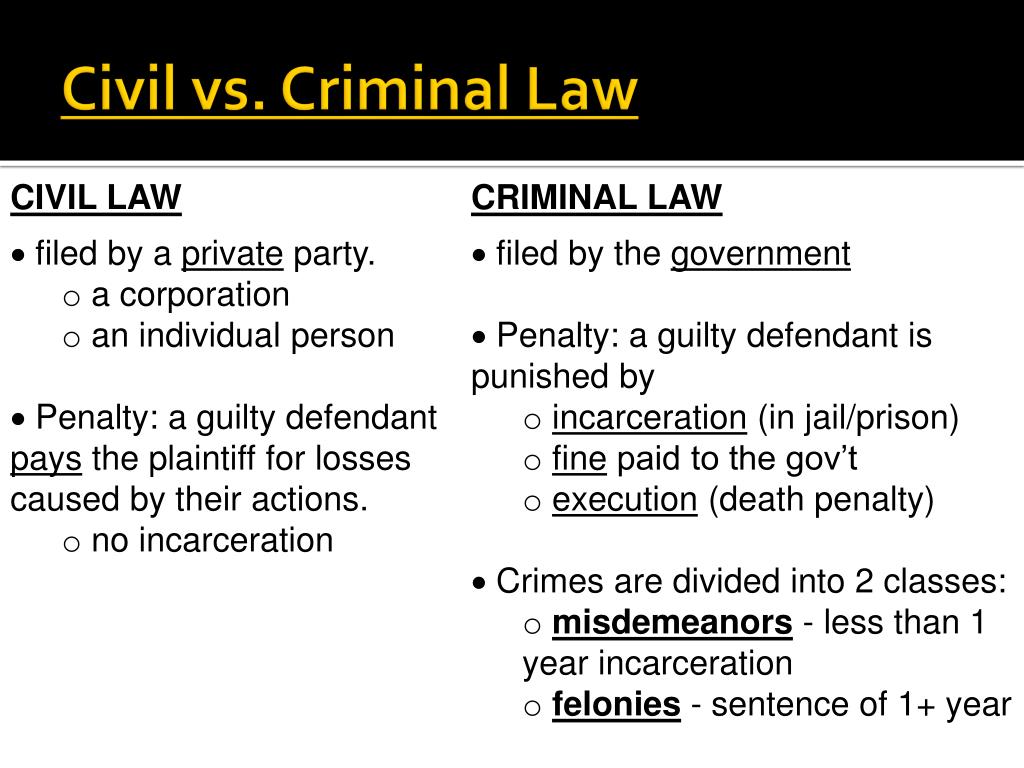
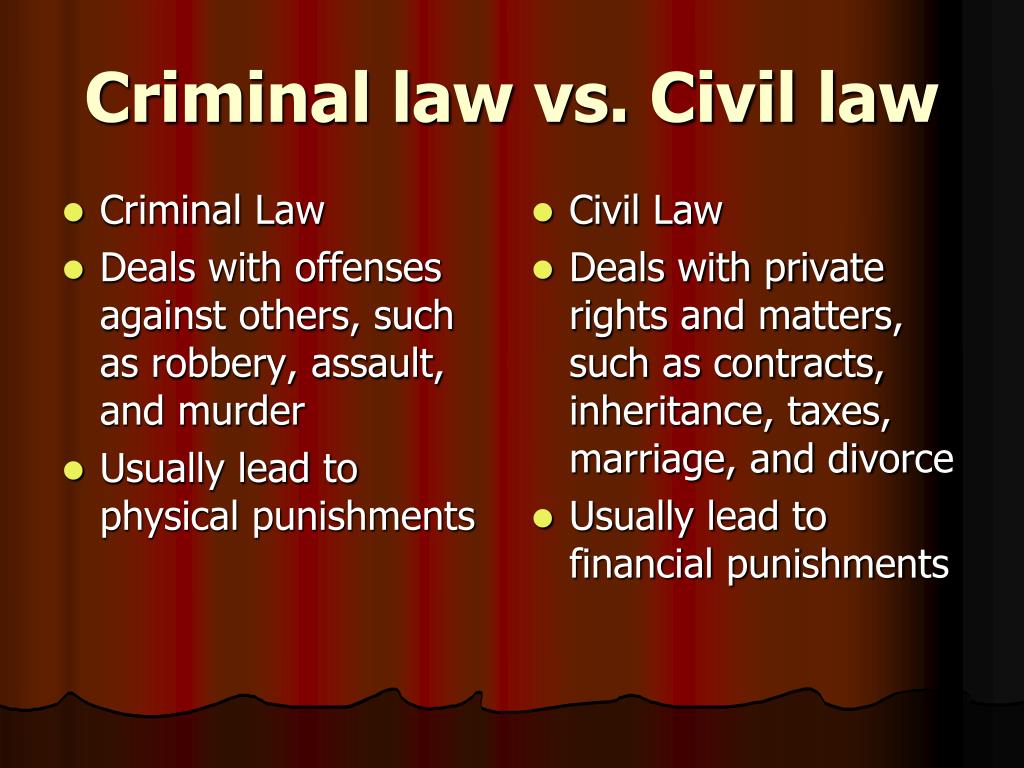
Criminal law addresses behavior construed as a crime against the state, society or the public. Civil law addresses behavior constituting an injury to a private party, like a corporation or a person. If you're going through a civil lawsuit or have been charged with a crime, you need an experienced attorney on your side. Let's take a look at.

The U.S. court system is used to protect people's rights and provide legal remedies. There are two primary categories of cases that can come before courts: civil and criminal cases. It is.

Civil law and criminal law are two broad and separate entities of law with separate sets of laws and punishments.. According to William Geldart, Introduction to English Law 146 (D.C.M. Yardley ed., 9th ed. 1984), "The difference between civil law and criminal law turns on the difference between two different objects which law seeks to pursue - redress or punishment.
Civil Law Vs Criminal Law 2024 (guide + Examples) Sheria Na Jamii
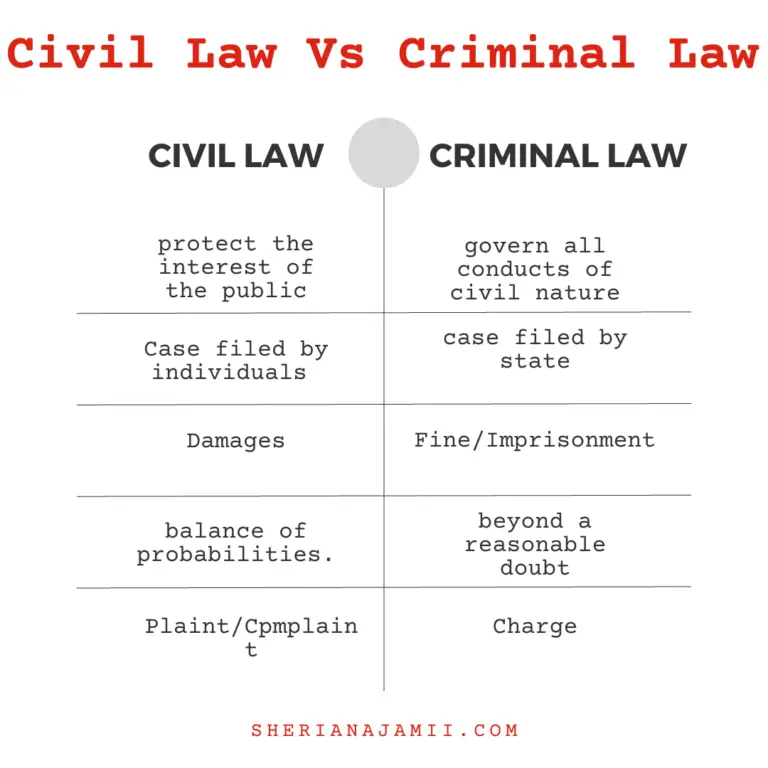
Key Takeaways. Civil law regulates the private rights of individuals. Criminal law regulates individuals' conduct to protect the public. Civil litigation is a legal action between individuals to resolve a civil dispute. Criminal prosecution is when the government prosecutes a defendant to punish illegal conduct.
What are the differences between Civil vs Criminal Law?
Civil law differs from criminal law in that individuals or groups file cases rather than the state. The legislature enacts laws that establish standards of conduct and recognizes relationships. The legislature will establish the duty owed and rights between individuals, what constitutes a breach, and what damages may be recovered for that.
CIVIL LAW और CRIMINAL LAW में क्या अंतर होता है ? DIFFERENCE BETWEEN CIVIL LAW AND CRIMINAL

A criminal case begins with an alleged crime, an arrest by the police, and a charge filed by a prosecutor. Anything that is not criminal law falls under civil law, which applies when one individual is harmed by another and seeks compensation for the harm. In civil law legal systems, civil offenses are only by statute.
PPT Western River Civilizations PowerPoint Presentation, free download ID5449936
Civil Law vs. Criminal Law: Breaking Down the Differences. By Will Erstad on 03/21/2022. This piece of ad content was created by Rasmussen University to support its educational programs. Rasmussen University may not prepare students for all positions featured within this content. Please visit for a list of programs offered.
Chapter 3 Diagram Quizlet

Punishment and appeals. In civil law cases, the defendant pays or somehow reimburses the plaintiff if there is a guilty verdict. Both parties in civil law cases can appeal the rulings of a court. For criminal cases, only the defendant can appeal if they feel the verdict was unfair. The punishment in criminal cases is often a fine, incarceration.
Criminal vs. Civil Law Keep Kids Safe
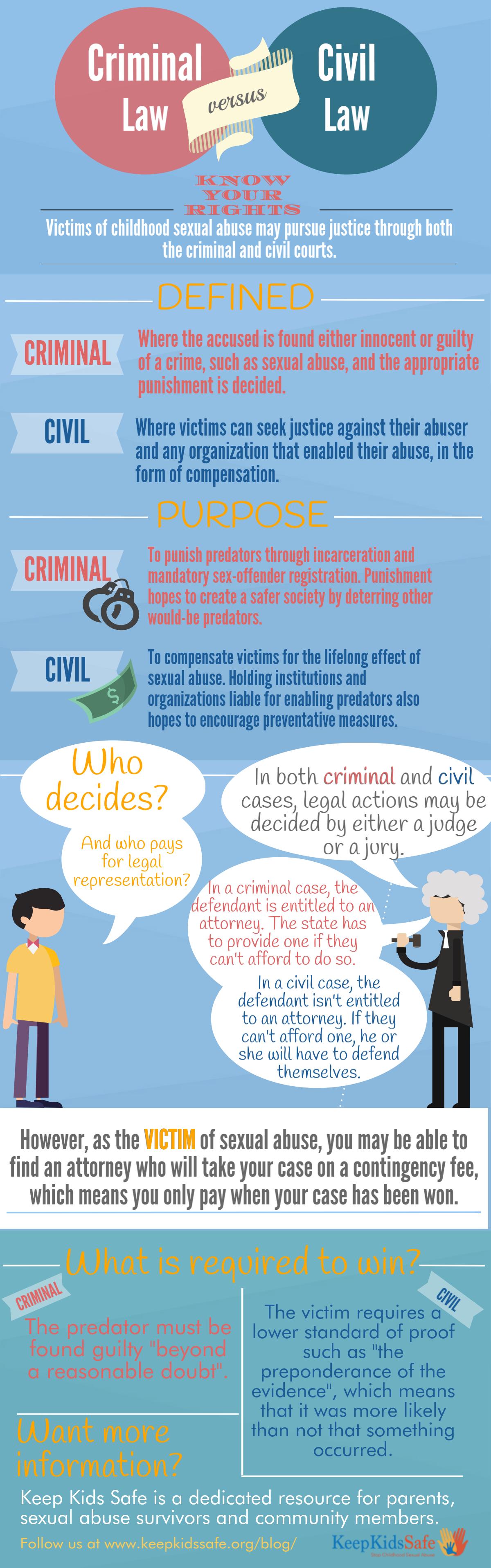
Criminal vs. Civil Law. Crimes generally represent conduct that causes a public harm to society as a whole and goes beyond injuries to private parties. For instance, a breach of contract primarily affects the parties to the contract (and is a civil action), but criminal acts—like murder, impaired driving, or theft—cause injury and harm to.
Criminal Law vs. Civil Law YouTube
Criminal law deals with behavior that is or can be construed as an offense against the public, society, or the state—even if the immediate victim is an individual. Examples are murder, assault, theft,and drunken driving. Civil law deals with behavior that constitutes an injury to an individual or other private party, such as a corporation..