What Is an ‘Energy Rating’, and Why Is It Important to Understand? Blog Huglo Energy

An energy-efficiency rating is a score awarded to buildings or appliances, taking into account various factors that contribute to overall energy efficiency, including energy consumption, environmental sustainability, thermal performance, quality of construction materials and more. Experts in various fields, from construction to environmental.
Advanced Glazing Systems Our Energy Ratings A Rated AGS
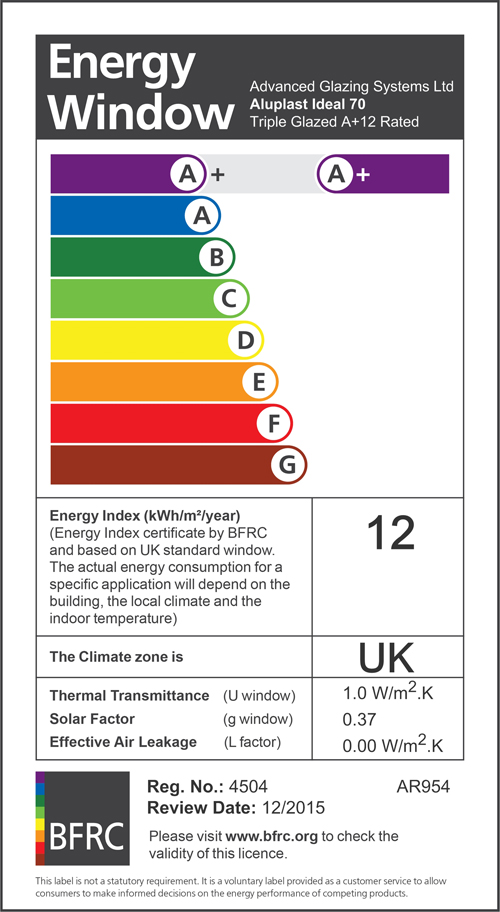
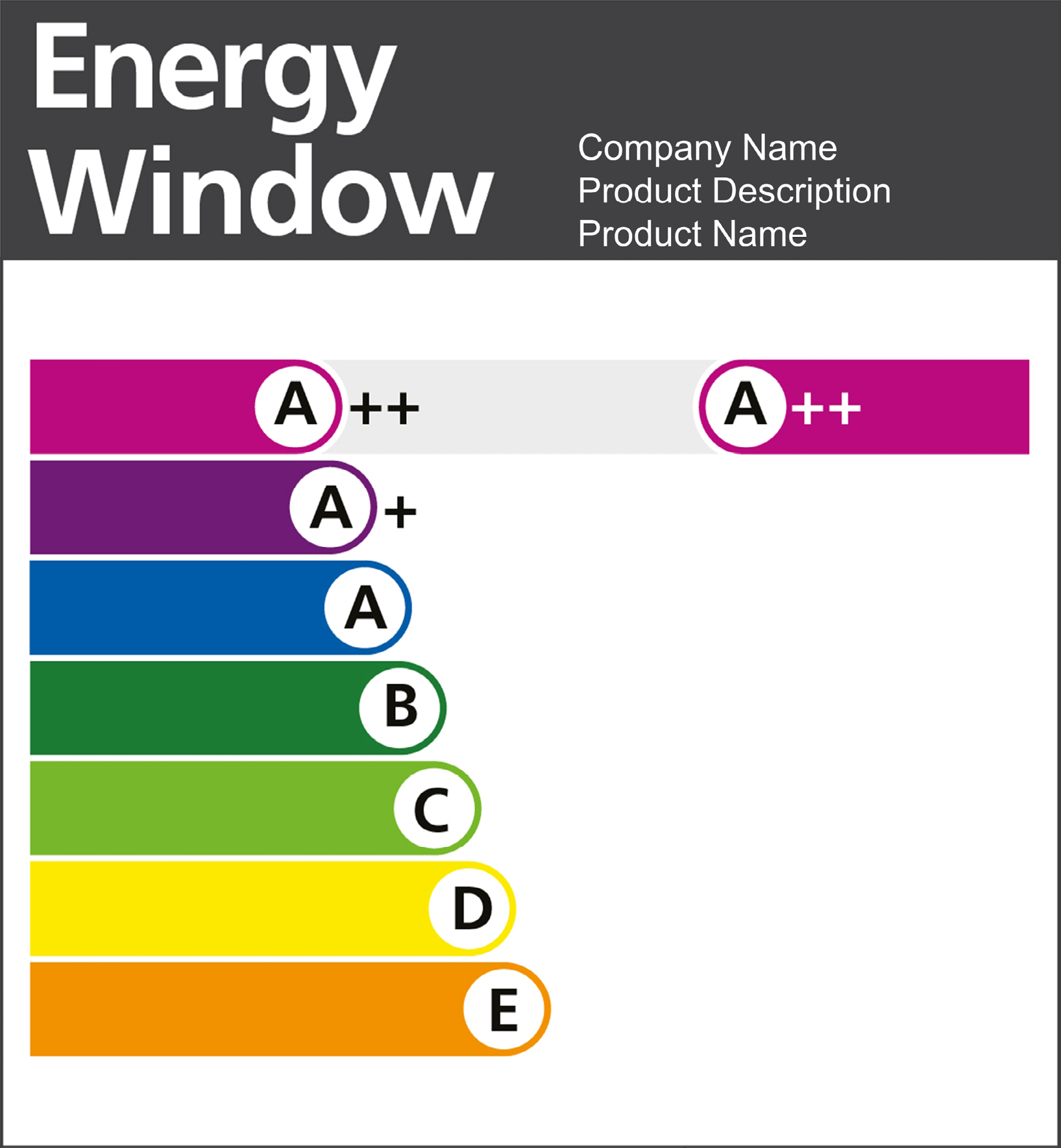
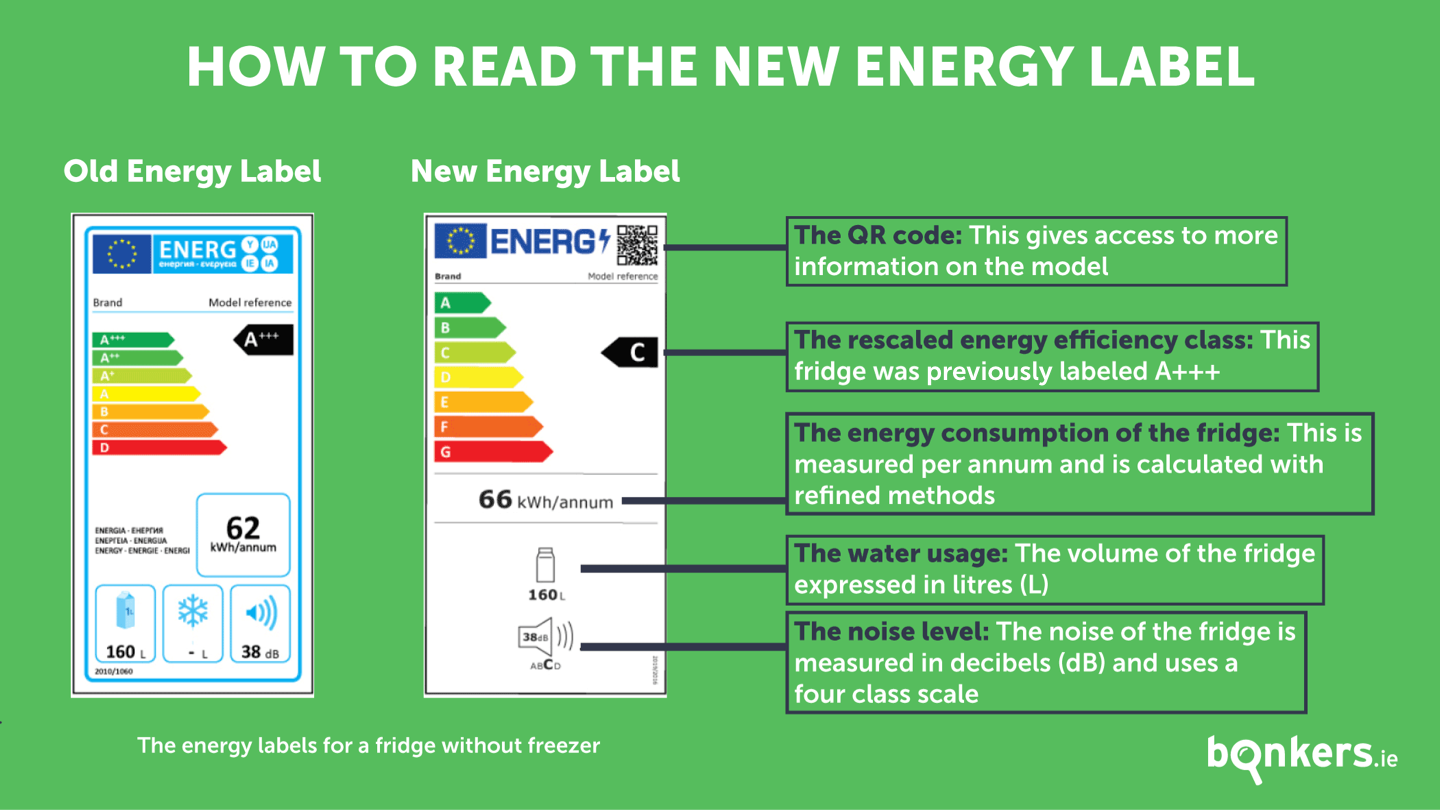
As of 1st March 2021, new energy labels will come into effect. The simpler, A to G energy scale more widely understood by consumers, will supersede the current A+++ to G scale. Since being introduced twenty years ago, energy labels were awarded an A for high efficiency and a G for low efficiency. Over time, the scheme evolved and labels of A+.
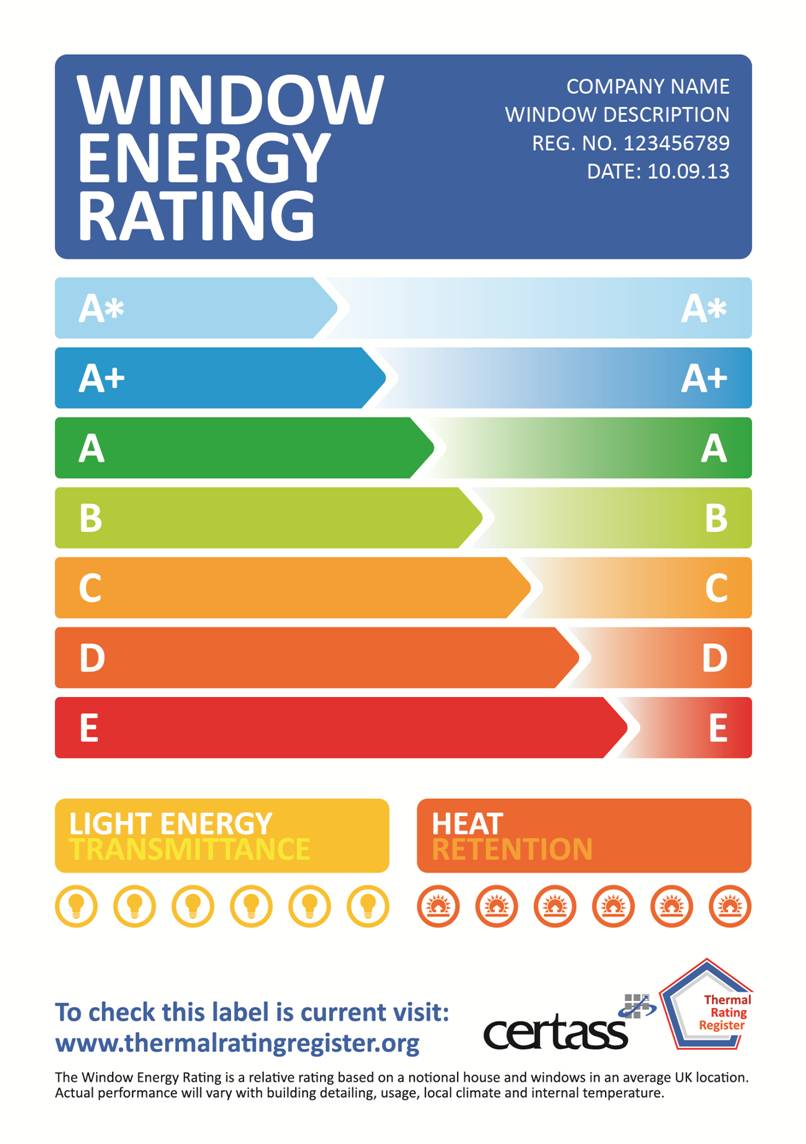
Window Energy Ratings Explained Simply For You
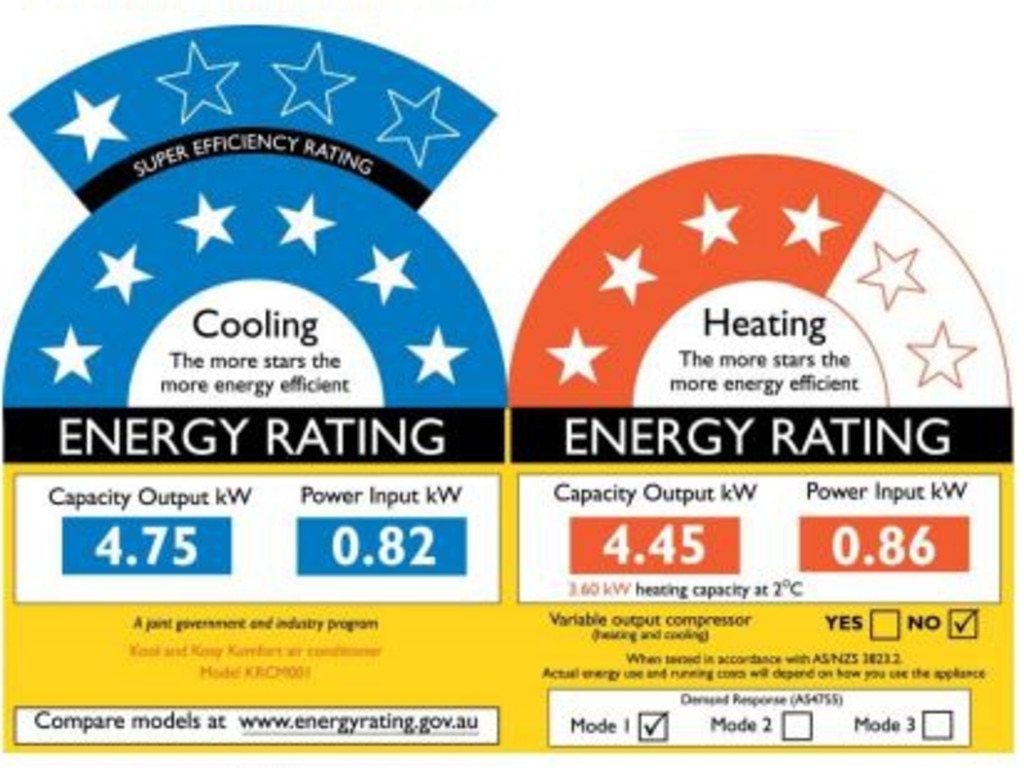
SEER Rating: 100% BTU + 75% BTU + 50% BTU + 25% BTU output. CEER Rating: 100% BTU + Standby/Off-Mode BTU output. CEER is Combined EER because of the addition of energy usage in the standby/off-mode. Department of Energy has introduced the CEER rating in June 2014 to better estimate the overall realistic energy-efficiency of room air conditioners.
Energy rating label for airconditioners, Australia New change explained, what it means The
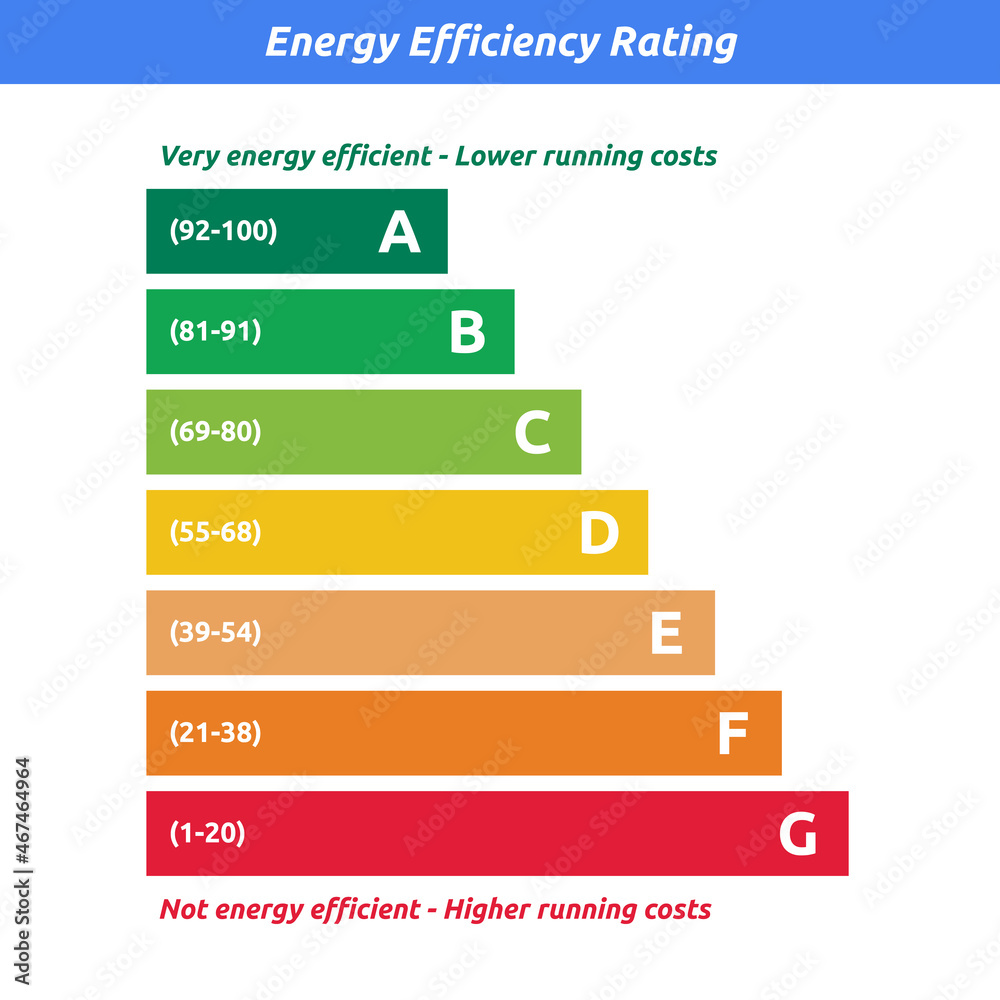
Energy Performance Certificates, or EPCs, are legally required when buying or renting a home.They tell you how energy efficient the property is, from A (very efficient) to G (very inefficient). Most of the UK's housing stock falls somewhere in between the two - with the average energy efficiency rating of homes in the UK sitting in band D - meaning there's generally room for improvement.
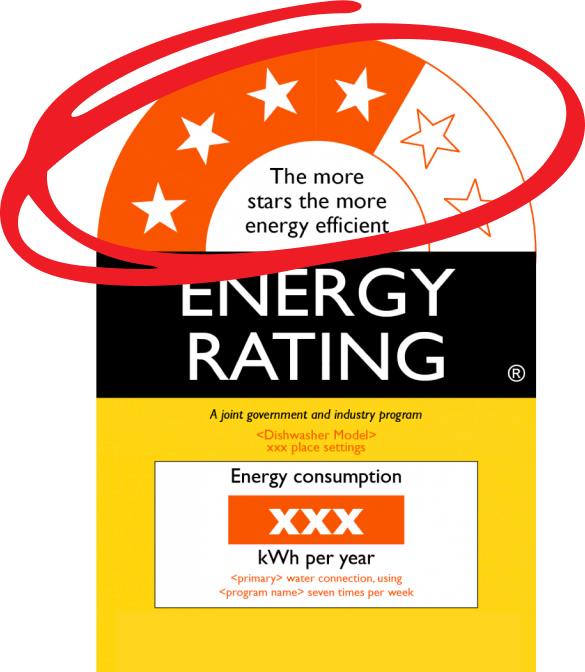
Understand the Energy Rating Label Energy Rating
An A rating indicates a home that is extremely efficient while G ratings are given to very energy inefficient buildings. An EPC will explain how expensive your home will be to run, along with what its carbon dioxide emissions are likely to be. In addition, EPCs give you data regarding the 'potential' energy efficiency rating you could expect.
Energy ratings what do they mean?

Common recommendations include: 1. Improve your insulation. Installing insulation in wall cavities and lofts could help you save energy and improve your EPC rating considerably. Recommendations suggest that insulation should be 270mm thick and this could lead to a difference between 15 to 20 points on your EPC. 2.
How to read the energy label on your household appliances bonkers.ie
On average, monitors that have earned the ENERGY STAR are 7% more energy efficient than standard options. ENERGY STAR certified monitors include computer monitors and professional signage which meet stringent energy efficiency requirements in On, Sleep, and Off Modes. For small monitors, the On Mode power consumption limits are based on both.
Window Energy Ratings
Energy Performance Testing, Certification, and Labeling. The National Fenestration Rating Council (NFRC) operates a voluntary program that tests, certifies, and labels windows, doors, and skylights based on their energy performance ratings. The NFRC label provides a reliable way to determine a window's energy properties and to compare products.
Energy efficiency rating classification Royalty Free Vector

This number represents the amount of solar energy transmitted through the window and tells you how well it blocks heat from sunlight. SHGC is measured on a scale of zero to one, though its values generally range from 0.25-0.80. The lower the number, the less solar heat the window transmits.
Appliance Energy Ratings Guide Buying Guide Howdens

A heat pump's Energy Efficiency Ratio (EER) indicates the unit's cooling output during a cooling season. This rating is calculated by dividing the unit's cooling output by its electrical input. When estimating the EER, energy experts generally factor in static outdoor and indoor temperatures, along with 50 percent relative humidity.
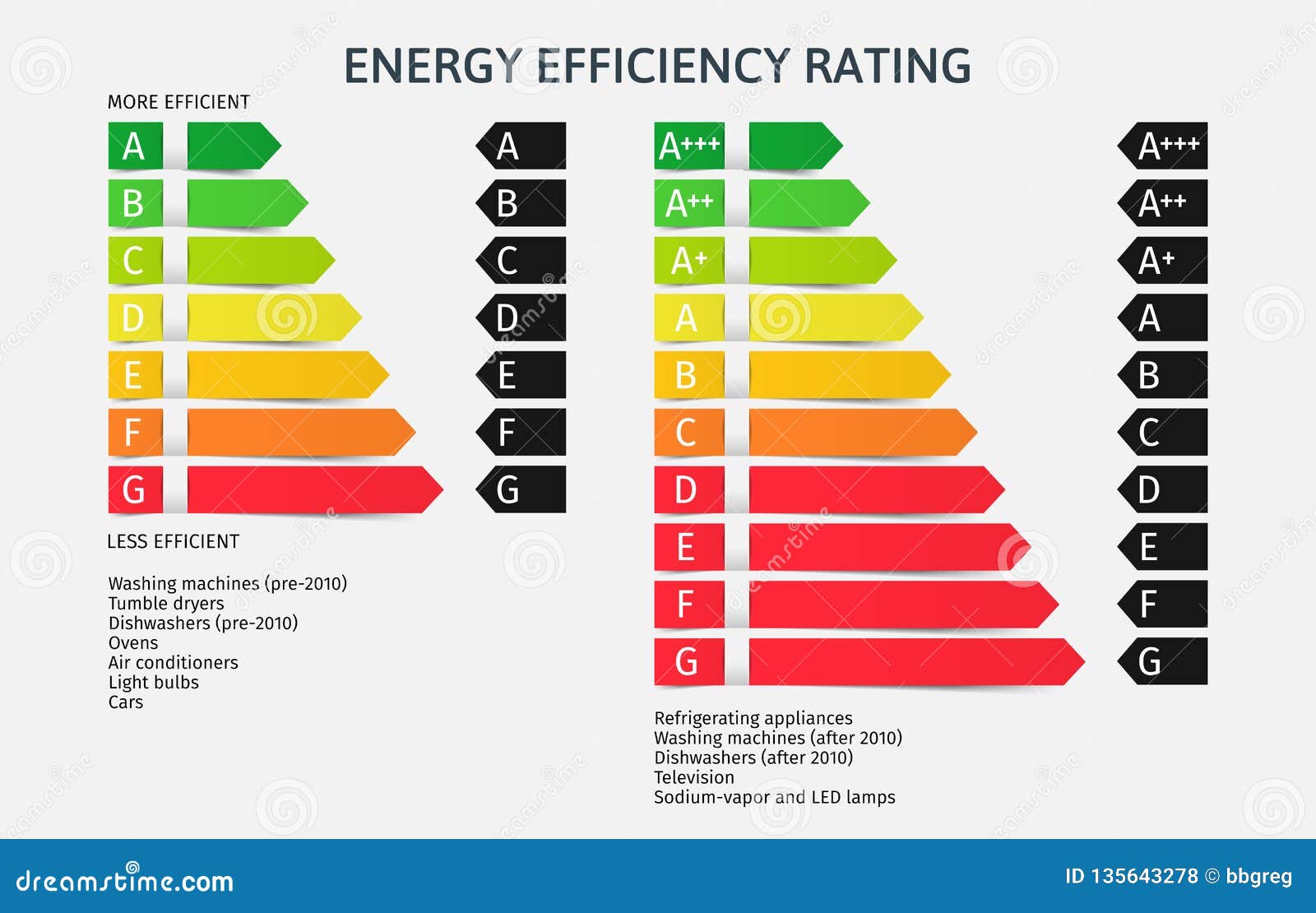
Energy Efficiency Rating, Classes, Index. Union Energy Label. Vector Illustration Set Stock
Seasonal Energy Efficiency Ratio 2 (SEER2) is used to rate the energy efficiency of some of the biggest energy users in any home-the air conditioner, gas furnace, and heat pump. SEER2 ratings.
Energy Rating Graph with Arrows. Energy Efficiency and Rating Chart Stock Illustration

Energy guide ratings for appliances will show typical usage under average conditions, in kilowatt-hours (kWhs) per year. The lower the energy number, the more cost-efficient an appliance is to use.
Understanding Your Home Energy Rating Guide Brevard and Indian River County Home Builder

The primary number most people look at on a window AC unit is the BTU (British Thermal Unit) output. This tells how much cool air it is capable of producing (really, how much heat it removes per hour), and the approximate size space it will cool. Most window ACs have a BTU rating of between 6,000 and 24,000, though some are even larger.
Vetor de EPC Ratings Energy efficiency ratings vector illustration from A to G Very high and
SEER ratings attempt to determine the energy efficiency of cooling systems under average temperatures (lower than 82 degrees). And just like most energy ratings, the higher the number, the more efficient the unit. However, keep in mind that a 16-SEER wouldn't achieve that same rating under higher temperatures. Scale: 8 - 30.
Energy rating stock illustration. Illustration of machine 39840041
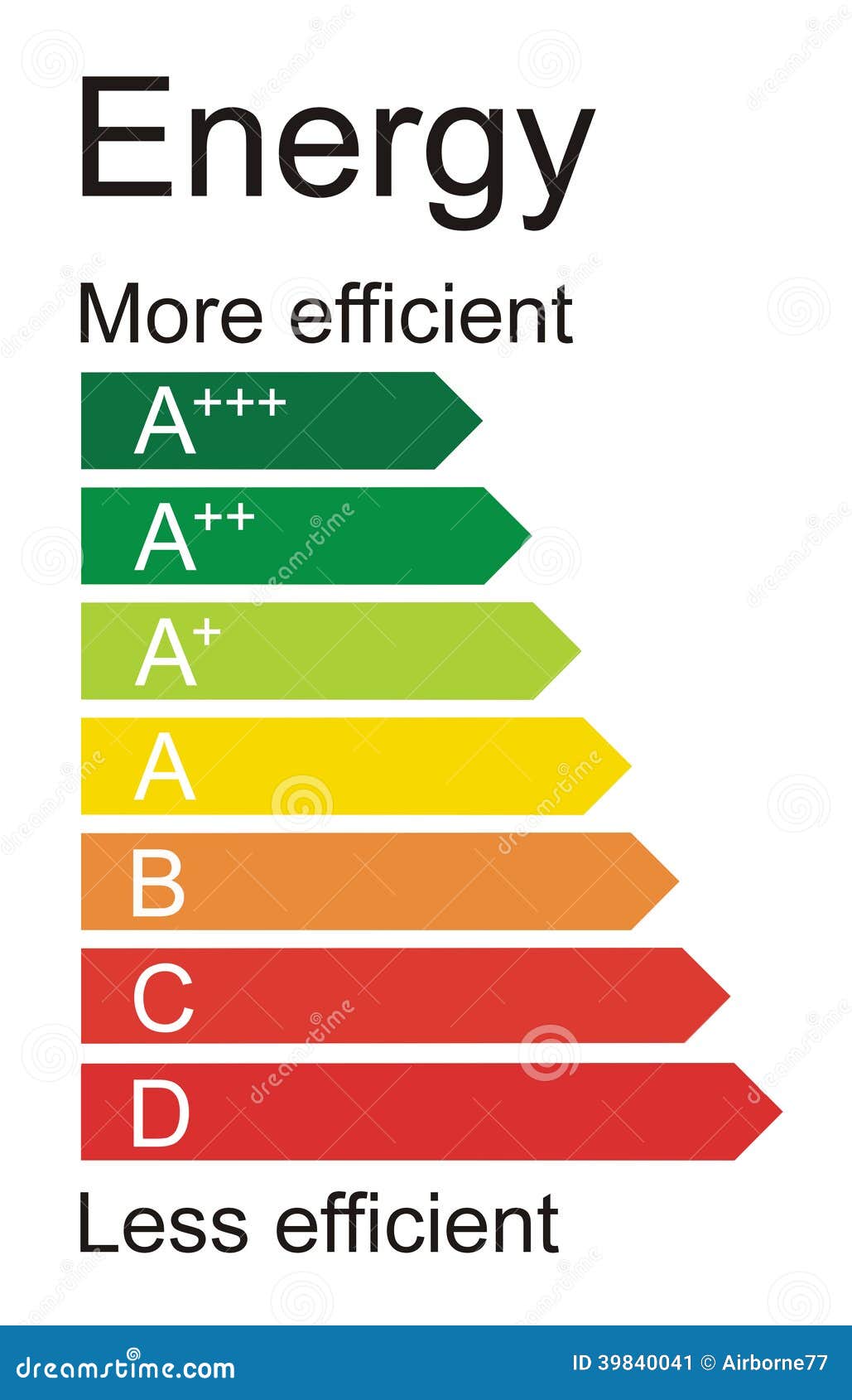
The new ratings will be much more straightforward and will run from A to G, with A being the most energy efficient. The familiar green to red colour scheme will remain. If your appliance was shipped to you between September 2020 and March 2021, it may still have the older label on it but there should be a new label packed up with the.
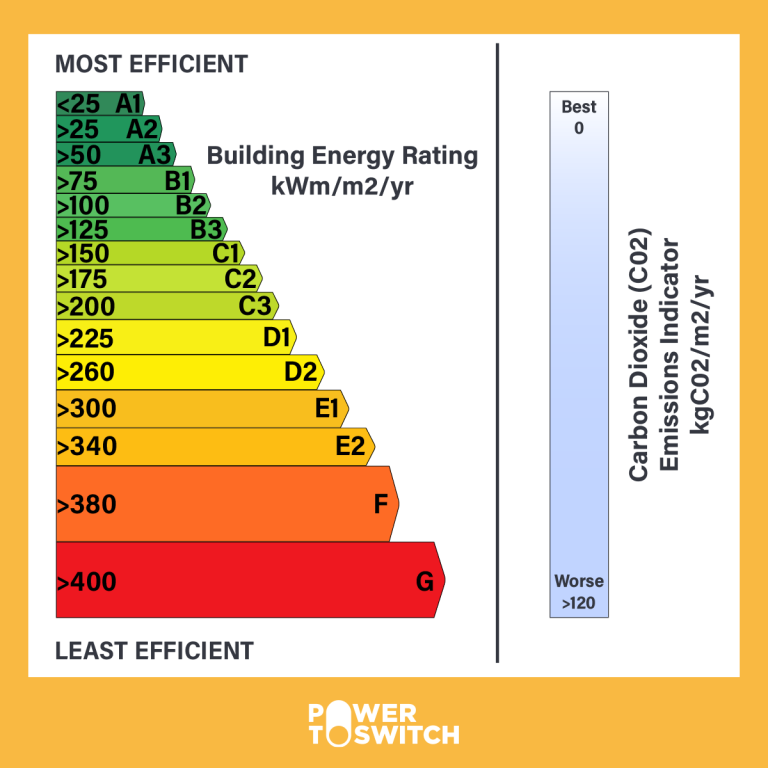
Building Energy Ratings a guide to understanding and improving your BER Power to Switch IE
EER, or Energy Efficiency Ratio, measures the energy efficiency of an air conditioner or heat pump at the outdoor cooling temperature of 95°F. EER2 is an updated version of EER that all cooling systems need to abide by starting Jan. 1, 2023. A higher EER2 rating means your air conditioner is more energy efficient — and that's a good thing!